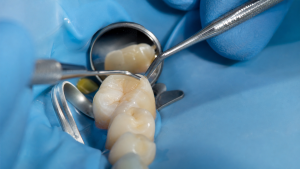

When most people think of a toothache, they think of localised pain in the mouth, gums, or jaw. However, dental issues can affect more than just the mouth – they can lead to discomfort and pain in other parts of the body, including the head. But how exactly does a toothache cause a headache? The connection between these two seemingly separate issues lies in the intricate network of nerves in the face and head, particularly the trigeminal nerve.
How Are Toothaches and Headaches Connected?
The primary link between toothache and headache is through the trigeminal nerve, which is one of the largest nerves in the face. This nerve is responsible for sensation in the face, as well as biting and chewing. When dental issues such as infections or abscesses irritate this nerve, it can send pain signals that are interpreted as a headache. In other words, while the source of the pain may be in the mouth, the trigeminal nerve may cause the pain to radiate to the head, leading to what is known as referred pain.
Another mechanism that connects toothaches to headaches is muscle tension. Conditions like bruxism (teeth grinding) or temporomandibular joint (TMJ) disorders can cause significant stress and tension in the jaw muscles. This muscle strain can extend to the head and neck, triggering tension headaches.
What Are the Common Dental Issues That Lead to Headaches?
Several dental conditions can cause or contribute to headaches. Some of the most common include:
- Tooth Infection: Dental infections, particularly those that affect the molars, can trigger headaches due to the close proximity to the jaw and head. Bacterial infections such as abscesses can cause swelling and pressure that radiates to the head.
- Tooth Abscess: This condition involves pus formation due to a bacterial infection. An abscess can cause significant facial pain, and this pain can easily extend to the head, causing throbbing headaches. If left untreated, abscesses can cause severe complications, making it crucial to seek prompt dental care.
- Temporomandibular Joint (TMJ) Disorders: The TMJ connects the jawbone to the skull, and dysfunction in this joint can cause pain to radiate up to the temples, resulting in tension headaches. Individuals with TMJ disorders often experience jaw stiffness and clicking noises when opening their mouths.
- Bruxism (Teeth Grinding): Grinding or clenching teeth, especially during sleep, puts enormous strain on the jaw muscles, leading to pain that can spread to the head. Many individuals who suffer from bruxism experience morning headaches and jaw soreness.
- Impacted Wisdom Teeth: When wisdom teeth become trapped under the gums, they can create pressure and discomfort that manifests as head pain, particularly around the jaw and temples. Removal of impacted wisdom teeth is often necessary to relieve this pressure.
- Cavities: Untreated cavities can cause pain in the tooth that may radiate to the head. Deep decay that reaches the tooth’s nerve is especially likely to cause headaches.
- Gum Disease: Inflammation of the gums, known as periodontitis, can lead to swelling and infection, which may cause referred pain to the head.
What Are the Symptoms of a Headache Caused by a Toothache?
Headaches caused by dental issues are often different from other types of headaches, such as migraines. Here are some of the key symptoms that might indicate your headache is dental in origin:
- Throbbing or Pulsating Pain: The pain often feels like it’s pulsing, particularly in the jaw, temples, or near the ear.
- Pressure Around the Forehead or Sinuses: Sinus headaches are often confused with dental pain. In reality, dental infections can sometimes cause sinus pain due to their proximity.
- Radiating Pain: The pain may start in the jaw or tooth and then radiate to the head or neck.
- Jaw Soreness: This is particularly common in cases of bruxism. People may notice their jaw is sore, especially in the morning after grinding their teeth during the night.
- Pain During Chewing: If chewing worsens the headache, it could indicate that the toothache is the source of the problem.
- Soreness Around the Eyes: This can occur if the dental pain affects the sinuses, causing facial pain that radiates to the eyes.
What Dental Conditions Require Immediate Attention to Prevent Headaches?
It is essential to treat dental problems before they become severe. The following table highlights common dental conditions that can lead to headaches and their corresponding treatments:
| Dental Condition | Headache Symptoms | Treatment |
| Tooth Infection | Throbbing head pain, especially around jaw | Antibiotics, root canal therapy |
| Tooth Abscess | Intense facial pain, referred headache | Drain abscess, root canal, extraction |
| TMJ Disorders | Tension headaches, pain near temples | Splints, physiotherapy, surgery |
| Bruxism (Teeth Grinding) | Morning headaches, jaw soreness | Night guard, stress management |
| Impacted Wisdom Teeth | Pressure headache, neck pain | Extraction of wisdom teeth |
| Cavities | Pain radiating to head, worsens with chewing | Fillings, crown placement |
| Gum Disease (Periodontitis) | Inflammation causing dull headache | Scaling, root planning, gum treatment |
How Can You Differentiate Between Toothache-Related Headaches and Other Types of Headaches?
It is important to differentiate between headaches caused by toothache and other common types of headaches, such as migraines or tension headaches. The following table highlights key differences:
| Symptom | Toothache-Related Headache | Other Types of Headaches |
| Pain Location | Focused on jaw, radiating to head or neck | Localised in forehead, temples, or neck |
| Onset | Triggered by chewing, tooth pain | Random or stress-related |
| Duration | Persistent until dental issue is treated | Episodic, may last hours or days |
| Accompanying Symptoms | Tooth sensitivity, jaw stiffness, swelling | Nausea, light sensitivity (migraines) |
What Research Supports the Link Between Toothache and Headaches?
There is significant research that supports the connection between oral health and headaches. Studies have shown that conditions like bruxism and TMJ disorders are common causes of tension headaches. A study published in the Journal of Dental Research found that over 70% of people with TMJ disorders experience headaches as a secondary symptom.
Research also highlights the importance of addressing dental infections promptly. A tooth infection, if untreated, can lead to the spread of bacteria to other parts of the body, potentially worsening the headache and causing further complications. This underscores the importance of maintaining good oral hygiene and seeking dental care when symptoms arise.
In Australia, the Australian Dental Association (ADA) emphasises the importance of regular dental check-ups to prevent issues such as cavities, gum disease, and infections that can lead to headaches. By staying on top of oral health, patients can avoid unnecessary discomfort.
How Can You Prevent Toothache-Related Headaches?
Preventing headaches caused by dental issues comes down to maintaining excellent oral health and addressing problems as soon as they arise. Some preventive measures include:
- Regular Dental Check-ups: Routine visits to the dentist alderly, QLD can help catch problems before they worsen.
- Good Oral Hygiene: Brushing and flossing regularly can prevent cavities and gum disease, two of the leading causes of toothache.
- Addressing Jaw Pain: If you suffer from TMJ disorders or grind your teeth, wearing a nightguard can prevent excessive strain on the jaw muscles.
- Prompt Treatment: Any sign of a toothache, abscess, or infection should be treated by a dental professional immediately to avoid further complications.
At My Dentist Alderley Newmarket, we specialise in diagnosing and treating dental conditions that can lead to headaches. Our experienced team can provide tailored solutions to alleviate your discomfort and ensure optimal oral health.
Important FAQs
1. Can a toothache actually cause a headache?
Yes, a toothache can cause a headache. This happens because the nerves in your mouth, particularly the trigeminal nerve, are closely connected to the nerves in your head. When there is pain or infection in your teeth, these nerves can send pain signals to the head, leading to a headache. Additionally, issues like TMJ disorders or bruxism can contribute to both tooth pain and headaches.
2. What types of dental issues are most likely to cause headaches?
Several dental issues can lead to headaches, including:
- Tooth infections: Infections, especially in the molars, can cause pain that radiates to the head.
- Tooth abscesses: These can cause significant facial pain and headaches.
- TMJ disorders: Dysfunction in the jaw joint can lead to tension headaches.
- Bruxism: Teeth grinding can strain jaw muscles and trigger headaches.
- Impacted wisdom teeth: These can create pressure and pain that extends to the head.
3. How can I tell if my headache is caused by a toothache?
To determine if your headache is related to a toothache, consider the following:
- Location of Pain: If your headache is focused around your jaw, teeth, or the side of your face, it may be related to dental issues.
- Pain Triggers: Tooth pain that worsens with chewing or biting can indicate a connection.
- Dental Symptoms: Look for other symptoms of dental issues, such as tooth sensitivity, gum swelling, or a bad taste in your mouth.
4. What should I do if I think my headache is caused by a toothache?
If you suspect that your headache is related to a toothache, it’s essential to consult a dentist. They can evaluate your oral health, identify any dental issues, and recommend appropriate treatment. Treatment may involve addressing the underlying dental problem, such as treating an infection, performing a root canal, or managing TMJ disorders.
5. Can a headache from a toothache be treated at home?
While pain relief medication can temporarily alleviate the discomfort, treating the root cause of the toothache requires professional dental care. Over-the-counter pain relievers may help manage symptoms, but they do not address the underlying issue. It’s important to see a dentist for a proper diagnosis and treatment.
6. When should I see a dentist for a toothache that is causing headaches?
You should see a dentist as soon as possible if you experience:
- Persistent or severe toothache that radiates to your head.
- Signs of infection, such as swelling, redness, or a bad taste in your mouth.
- Headaches that do not improve with over-the-counter pain relief.
- Any changes in your bite or jaw function, such as difficulty opening your mouth or clicking sounds.
Addressing dental issues early can prevent complications and alleviate associated headaches. If you’re experiencing these symptoms, consider visiting My Dentist Alderley Newmarket for comprehensive care and treatment.
References:
- Australian Dental Association. (n.d.). Dental Health and Headaches
- Journal of Dental Research. (n.d.). Connection Between TMJ and Headaches
By incorporating a proactive approach to dental care, you can significantly reduce your risk of experiencing toothache-related headaches. Regular visits to My Dentist Alderley Newmarket can keep both your teeth and head pain-free.