
Few dental problems are as alarming as a swelling that seems to appear overnight. One day the tooth aches, the next day the face is puffy, and a strange taste sits at the back of the mouth. A dental abscess is the body’s response to a bacterial infection that has nowhere to drain, and it almost never resolves without treatment. This guide explains what a dental abscess actually is, how it forms, when it is a true emergency, the treatment pathway in a Brisbane dental practice, and what to expect in recovery.
What is a dental abscess?
A dental abscess is a localised collection of pus that forms when bacteria infect the inner pulp of a tooth, the gum beside a tooth root, or the bone surrounding a tooth, producing pressure, throbbing pain, and often visible swelling. It is the body’s inflammatory response contained in a pocket that cannot drain through the tooth.
There are three common types. A periapical abscess sits at the tip of the tooth root and usually develops from deep decay or a crack that lets bacteria reach the pulp. A periodontal abscess forms in the gum next to a tooth root, often in a patient with existing gum disease. A gingival abscess is more superficial and usually follows something getting stuck under the gum, such as a popcorn hull or a fish bone. All three types share the same basic problem: bacteria in, immune system responds, pus builds up, and pressure produces pain.
What causes a tooth or gum abscess?
A dental abscess is caused by bacteria reaching a space they cannot escape, most often through deep decay, a cracked tooth, failed previous dental work, advanced gum disease, or food impaction under the gum. The common factor is an entry point for bacteria and a closed space that traps the infection.
In a periapical abscess, the pathway is decay or a fracture that exposes the pulp chamber, allowing bacteria to travel down the canal and out the tip of the root into the surrounding bone. In a periodontal abscess, bacteria are already present in deep gum pockets around a tooth and the body’s immune response in that pocket produces pus faster than it can drain. A cracked tooth can produce both types at once, because the crack lets bacteria in and the surrounding gum responds. Risk factors include a diet high in sugar, infrequent dental visits, dry mouth, smoking, and conditions that suppress the immune system.
Is a dental abscess a dental emergency?
A dental abscess is a dental emergency whenever there is facial swelling, fever, difficulty opening the mouth, difficulty swallowing, or a general feeling of being unwell, because these signs indicate the infection is spreading beyond the tooth into the surrounding tissues. Even without these signs, an abscess warrants same-day or next-day care.
Swelling that extends into the neck, the floor of the mouth, or near the eye is a medical emergency, because the infection can compromise the airway. The emergency dentist in Alderley prioritises abscess cases for this reason and reserves daily emergency slots. A small, well-localised abscess without systemic symptoms is urgent but not critical, and is usually treated the same day or the next morning. The team at My Dentist applies a simple rule: any visible facial swelling plus a toothache gets seen the same day.
How is a dental abscess treated?
A dental abscess is treated by draining the source of infection, removing the cause, and only prescribing antibiotics when there is systemic involvement such as facial swelling or fever. The aim is to eliminate the infection, not just to suppress it, and the specific procedure depends on the type and location of the abscess.
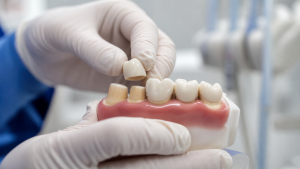
For a periapical abscess, the standard pathway is root canal treatment in Alderley to remove the infected pulp, disinfect the canal system, and seal it, usually followed by a crown to protect the remaining tooth. For a periodontal abscess, the clinician numbs the area, drains the pus by gently separating the gum from the tooth, irrigates the pocket, and reviews the patient’s cleaning routine. In some cases the tooth is too broken down to save and is extracted, which removes the source of infection in one visit. A follow-up review confirms healing, and any further treatment such as a crown, bridge, or implant is planned once the area is stable.
Can an abscess go away with antibiotics alone?
An abscess does not resolve with antibiotics alone, because antibiotics reach the bacteria in the pus poorly, the source of infection (the tooth or gum pocket) is still present, and stopping antibiotics early or using them as a standalone treatment can lead to recurrence and resistance. Antibiotics are an adjunct to definitive treatment, not a substitute.
The Australian Dental Association and AHPRA both caution against prescribing antibiotics for dental infections without a plan to treat the source. If you are given antibiotics for a dental abscess, expect the dentist to also schedule a definitive procedure (root canal, extraction, or drainage) within a short window. The classic pattern of an abscess that “comes back” after a course of antibiotics almost always reflects an untreated source rather than a resistant bug. For patients with facial swelling or fever, antibiotics are appropriate alongside drainage, and the team will discuss the specific regime and indications clearly.
When should I go to hospital for a dental abscess?
You should go to a hospital emergency department when the swelling is rapidly expanding, involves the floor of the mouth, neck, or eye, makes it difficult to breathe, swallow, or open the mouth more than a few centimetres, or when there is a high fever and a general feeling of severe illness. These are signs of a spreading infection that may need intravenous antibiotics and surgical drainage.
The major hospitals nearest to the Alderley practice are the Royal Brisbane and Women’s Hospital in Herston and the Prince Charles Hospital in Chermside, both equipped for facial and dental emergencies. Call 000 immediately if breathing or swallowing is affected. For a localised abscess without these red flags, contact the practice and ask for the next available emergency slot. Patients in nearby suburbs, including neighbouring Grange patients, regularly present to My Dentist with abscess symptoms and are usually seen the same day. If you are ever in doubt, Dentist Brisbane My Dentist’s team can advise you over the phone and direct you to the right level of care.
How can I prevent another abscess?
Preventing another abscess comes down to treating the source of the first one fully, restoring or extracting the affected tooth as planned, maintaining excellent daily oral hygiene, and attending regular check-ups so early decay and gum disease are caught before they progress to infection. Prevention is far less invasive than treatment.
A useful routine includes brushing twice daily with fluoride toothpaste, cleaning between the teeth daily with floss or interdental brushes, limiting sugary snacks and drinks between meals, and avoiding tobacco. Regular hygiene visits remove the calculus that harbours bacteria in gum pockets, and routine check-ups catch small cavities before they reach the pulp. Patients who have had one abscess are at higher risk of another in the same tooth or the neighbouring teeth, so the follow-up plan recommended by the dentist is worth keeping. If a new ache or taste develops, an early call to the practice usually means a small problem rather than a large one.
—
Frequently asked questions
How do I know if I have an abscess or just a pimple on the gum?
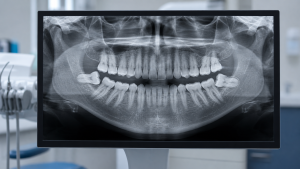
A pimple on the gum that drains pus, persists for more than a day or two, or sits next to a tooth that aches is most likely a gum or periapical abscess. A dentist can confirm with an x-ray and a quick exam, and should assess it within a few days.
Can a dental abscess go away on its own?
No. A dental abscess does not resolve without treatment of the source. The pain may fade temporarily if the pressure drains, but the infection continues and almost always returns.
Is a dental abscess contagious?
The infection itself is not contagious in the way a cold is, but the bacteria that cause decay and gum disease are transferable through saliva. Routine hygiene precautions are appropriate during active infection.
How long does recovery take after abscess treatment?
Most patients feel significant relief within 24-48 hours of drainage or root canal treatment, with full healing of the soft tissues over 1-2 weeks. The tooth itself may need a second visit for definitive restoration.
Will I lose the tooth?
Many abscessed teeth are saved with root canal treatment and a crown, but a tooth that is too broken down, severely mobile, or has limited bone support is usually better extracted and replaced.
—
Disclaimer
All dental procedures involve potential risks and benefits. The information provided in this blog is general in nature and should not be taken as medical advice. We recommend that you seek guidance from a suitably qualified health professional before making decisions about your oral health. Where appropriate, you may also wish to consider obtaining a second opinion. Any images or videos featured are shared with the informed consent of our patients and are intended for educational purposes only. They are not a guarantee of results, as every patient is unique. Treatment outcomes — including recovery, potential complications, and effectiveness — can vary from person to person.
—
Where Can You Receive Dental Abscess Care in Brisbane?
If you are looking for dental abscess care in Brisbane, prompt source-focused treatment makes a difference. At My Dentist, dental abscesses are treated with same-day drainage, definitive root canal or extraction, and clear antibiotic guidelines. From emergency triage to full restoration, the focus is on eliminating the infection and saving the tooth wherever possible. Whether it is a localised gum abscess or a spreading periapical infection, every patient receives guidance tailored to their specific abscess presentation, helping support long term oral health.