When a cold, allergy flare-up or sinus infection strikes, many people notice a sinus-related toothache that feels like a dull, pressing, sometimes throbbing ache in the upper back teeth. This happens because the paranasal sinus anatomy—especially the maxillary sinuses that sit just above the upper molars—places inflamed tissues close to dental nerves. As maxillary sinus pressure builds, it can create pressure pain in teeth without cavity, a classic example of a non-dental toothache that still hurts like one.
What exactly links your sinuses to upper tooth pain?
Think of the maxillary sinuses as air-filled rooms in the cheekbones. When lining tissues swell from a virus, bacteria, or allergies (a form of nasal inflammation tooth pain trigger), those rooms become tight and pressurised. Because upper molar roots often sit close to—or even protrude slightly into—these sinuses, inflammation can create sinusitis dental discomfort and sinus-induced tooth sensitivity. This sinus infection dental connection explains why you may feel a diffuse ache across several upper teeth rather than one precise “culprit”.
Attributes of sinus-related dental pain to recognise:
- Type of pain: dull ache, pressure, sometimes a heavy throbbing.
- Location: multiple upper jaw tooth pain sites—often molars and premolars on one or both sides.
- Onset & duration: gradual during a cold or sinusitis episode (short-term) or longer with chronic sinus issues.
- Aggravating factors: bending forward, lying down, sudden head movement.
- Associated symptoms: nasal blockage, reduced smell, facial fullness, sinus headache and tooth pain together.
How do you tell sinus toothache from a true dental problem?
Patterns help. Sinus drainage and oral discomfort tends to affect groups of upper teeth and worsens with head-position changes. Dental decay, cracked tooth, or pulpitis typically hurt on one tooth, are triggered by cold/heat or chewing, and may show gum swelling. If you feel ear fullness or popping as well, eustachian tube and dental sensitivity can add to the mix—again pointing above the teeth, not within them.
Signs it’s likely sinus-related rather than tooth-originating:
- Ache across several upper back teeth (not just one).
- Pain worse when bending forward or with rapid head movement.
- Congestion, facial pressure, and reduced smell during a cold/allergy episode.
- No visible cavity, fracture, or localised gum swelling.
What are the common dental sinus pain causes?
- Acute or chronic rhinosinusitis (viral most often; sometimes bacterial).
- Allergic rhinitis (seasonal or perennial).
- Structural factors such as a deviated septum or nasal polyps.
- Odontogenic sources (a dental infection that has spread to or irritates the maxillary sinus—less common, but important to rule out).
Which evidence-based options actually relieve sinus tooth pressure?
The goal is sinus congestion relief that reduces pressure in the maxillary sinuses—when pressure falls, tooth pain typically eases. In keeping with clinical guidance, the options below focus on pharmacist-guided or clinician-directed care (no natural or home remedies).
- Intranasal corticosteroid sprays (e.g., pharmacist-recommended options): helpful for nasal inflammation tooth pain patterns, especially where allergies or chronic rhinosinusitis are involved.
- Oral or topical nasal decongestants: can shrink swollen nasal passages and help ventilation/drainage. (Topical sprays should be short-term only to avoid rebound congestion; follow label advice and pharmacist guidance.)
- Antihistamines (if allergies are a driver): can reduce mucosal swelling and post-nasal drip.
- Analgesics: paracetamol or an anti-inflammatory (if suitable for you) can reduce discomfort while upstream congestion is addressed—this is sinus infection tooth pain treatment support, not the sole fix.
- GP review: if symptoms persist beyond expected timeframes, are severe, or you develop fever/marked localised tenderness, your GP may assess for bacterial rhinosinusitis and decide if antibiotics are indicated.
- Dental examination: if pain localises to a single tooth, is triggered by hot/cold or chewing, or persists after congestion settles, a dentist should check for a tooth-originating cause.
This structured, medical approach targets relieving sinus tooth pressure while also ensuring you don’t miss a bona-fide tooth problem.
When are antibiotics considered for sinus-related tooth pain?
Most acute rhinosinusitis is viral and improves with time and symptom control. Antibiotics have a role when a clinician suspects acute bacterial rhinosinusitis—for example, symptoms persisting beyond about 10 days without improvement, “double-worsening” after initial improvement, or significant systemic features. This careful approach helps you recover while avoiding unnecessary antibiotics.
When should you see a dentist, GP, or ENT?
- See a dentist if pain is sharp and localised to one tooth, triggered by bite/temperature, or there’s gum swelling; sinus inflammation vs tooth infection needs to be differentiated promptly.
- See a GP if your sinus symptoms are significant, recurrent, or not improving as expected; they can guide medicines and timing, and screen for complications.
- See an ENT if problems are frequent, severe, or associated with structural issues like polyps or a markedly deviated septum; this is where ENT and dental collaboration shines.
How does a dentist help when the pain seems “above the tooth”?
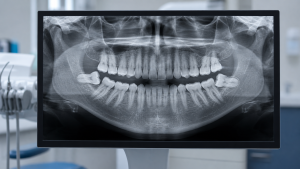
Dentists assess dental vitality, bite, and radiographs to rule out cracks, decay, or apical pathology. If the pattern fits sinus-origin, your dentist will coordinate with your GP or ENT—true sinus congestion dental remedies are the ones that de-pressurise the maxillary sinus, not drill the tooth. This team approach protects you from unnecessary dental treatment while still addressing any upper jaw tooth pain causes that are genuinely dental.
What do the patterns of sinus versus dental toothache look like?
Sinus Tooth Pain vs Dental Tooth Pain
| Feature | Sinus-Related Tooth Pain | Dental Tooth Pain |
| Location | Multiple upper back teeth | Usually one clearly identifiable tooth |
| Pain trigger | Head movement, leaning forward | Chewing, cold/hot stimuli |
| Additional symptoms | Nasal congestion, facial pressure | Localised swelling, gum tenderness |
| Response to decongestant therapy | Often improves as congestion falls | Typically no change |
| Timeline | Tracks the sinus episode | Persists until dental treatment |
Which clinical options are commonly used and how effective are they?
Common Clinical Options and Their Typical Role
| Option (use as directed) | Primary purpose | Typical impact* |
| Intranasal corticosteroid sprays | Reduce mucosal inflammation and oedema | High |
| Oral decongestants | Shrink swollen nasal passages to improve airflow | High |
| Short-term topical nasal decongestants | Rapid congestion relief (short bursts only) | Medium–High |
| Oral antihistamines (if allergic) | Reduce allergy-driven swelling and drainage | Medium–High |
| Analgesics (e.g., paracetamol/NSAID) | Ease pain while upstream causes resolve | Medium |
| GP-directed antibiotics (selected cases) | Treat suspected bacterial rhinosinusitis | High (when appropriate) |
| Dental treatment (if dental cause) | Resolve true tooth-origin pain | High for dental causes |
*Effectiveness varies by cause, severity, and correct use.
Could something else be masquerading as sinus toothache?
Yes. Temporomandibular joint dysfunction, bruxism-related muscle pain, migraines, trigeminal neuralgia, and odontogenic infections can all mimic sinus congestion relief needs while actually requiring different care. If your symptoms don’t fit the typical sinus pattern—or they persist—get a tailored assessment promptly.
What practical, clinician-approved plan can you follow?
- Start with pharmacist-guided options to reduce congestion (intranasal corticosteroid; an appropriate decongestant).
- Use an analgesic that’s suitable for you to manage discomfort while congestion settles.
- See your GP if symptoms are severe, persist beyond expected timeframes, or recur frequently; they will judge if antibiotics or further investigation are warranted.
- See your dentist if pain localises to one tooth, is stimulus-triggered, or persists after sinus symptoms improve.
Why consider My Dentist for thorough assessment and care?
When toothache and congestion blur together, you need a team that understands both. My Dentist offers a calm, methodical approach to sinus infection tooth pain treatment—we look for the real source of your discomfort before we treat. Our clinicians assess bite, tooth vitality, and radiographs to rule out hidden cracks or infection, and we’re experienced at recognising when maxillary sinus pressure (not the tooth) is to blame. You’ll get a clear, step-by-step plan: what to do now for comfort, what to watch for, and whether GP or ENT input will speed your recovery. If the pain is dental, we’ll explain your options in plain English and focus on conservative, evidence-based care. If the pain is sinus-driven, we’ll coordinate with your medical team so you’re not bouncing between appointments. That blend of precision, transparency, and collaboration is how My Dentist helps you get back to eating, speaking, and smiling without the distraction of sinus-induced tooth sensitivity.
Important FAQs
Q1) Can sinus problems really cause a toothache?
Yes. Inflammation in the maxillary sinuses can transmit pressure to nearby tooth roots, creating a diffuse, heavy ache across several upper molars—classic sinus-related toothache rather than decay in a single tooth.
Q2) Why does bending forward make my teeth throb more?
Changing head position increases sinus pressure; with swollen linings, that pressure translates into dental-area pain. It’s a hallmark of sinus-driven tooth discomfort.
Q3) Which non-prescription options help without using home remedies?
Pharmacist-guided intranasal corticosteroids, appropriate decongestants, and (if allergies are present) antihistamines can ease congestion. Analgesics may reduce discomfort while pressure improves. Always follow label directions and pharmacist advice.
Q4) When should I see a GP about sinus-related tooth pain?
If symptoms are severe, last beyond the usual window for a cold, “double-worsen” after initial improvement, or you develop fever or significant local tenderness, a GP can assess for bacterial infection and decide on next steps.
Q5) When is it actually a dental problem, not my sinuses?
Sharp, stimulus-triggered pain localised to a single tooth, visible cracks or cavities, or gum swelling point to a dental source. If in doubt, a dental exam prevents delays in the right care.
Q6) Could my tooth be causing my sinus problem instead?
Occasionally, a dental infection can irritate the maxillary sinus (odontogenic sinusitis). If sinus symptoms persist or recur, especially on one side, a dental assessment helps rule this out so you receive targeted treatment.
References
- Healthdirect Australia. Sinusitis overview — symptoms can worsen on bending forward and may radiate to the teeth. https://www.healthdirect.gov.au/sinusitis. Healthdirect
- RACGP. Sinusitis (overview of assessment and management in primary care). https://www.racgp.org.au/afp/2016/june/sinusitis/. RACGP
- RACGP clinical resource (PDF). Sinusitis—bacterial vs viral; antibiotics are often over-prescribed. https://www.racgp.org.au/getattachment/ada2495b-54cb-4d87-96ee-50fd757f605d/Sinusitis.aspx. RACGP
- Australian Prescriber. Treating acute sinusitis—definitions and when different treatments apply. https://australianprescriber.tg.org.au/articles/treating-acute-sinusitis-3.html. Australian Prescriber
- ASCIA (Australasian Society of Clinical Immunology and Allergy). Sinusitis and Allergy FAQ (2024). https://www.allergy.org.au/images/pc/ASCIA_PC_Sinusitis_and_Allergy_FAQ_2024.pdf. Allergy Australia
- NSW Health referral criteria. Allergic rhinitis, nasal congestion or obstruction in adult patients—guidance on when to refer. https://www.health.nsw.gov.au/outpatients/referrals/Pages/rhinitis-adult.aspx. NSW Health