
Dental implants are designed to integrate with the bone and function like natural teeth. However, like any oral structure, they are not immune to complications. Infections around dental implants can develop for a variety of reasons and, if left unmanaged, may lead to implant failure. This type of infection is commonly referred to as peri-implantitis. Recognising early symptoms is crucial for timely intervention.
Common signs that may indicate infection include:
- Redness or swelling of the gum near the implant
- Pain or discomfort when chewing
- Bleeding when brushing or flossing around the implant
- Bad breath or unpleasant taste
- Pus discharge from the gum
- Loose-feeling implant
The severity of infection can range from a mild inflammation of the surrounding soft tissues (peri-implant mucositis) to more severe cases involving bone loss (peri-implantitis).
What Are the Risk Factors That May Cause Implant Infections?
Several factors can contribute to the development of infection around an implant. These often include a combination of biological, behavioural, and procedural elements.
Common risk factors:
- Inadequate oral hygiene
- History of periodontal (gum) disease
- Smoking and tobacco use
- Uncontrolled diabetes or immunocompromised conditions
- Poorly designed or ill-fitting restorations
- Cement left beneath the gums
- Excessive bite force (occlusal overload)
- Irregular professional maintenance appointments
Proper understanding of these risk factors helps practitioners identify vulnerable patients and implement preventative strategies early on.
What Is the Difference Between Peri-Implant Mucositis and Peri-Implantitis?
The table below outlines the key differences:
| Feature | Peri-Implant Mucositis | Peri-Implantitis |
| Tissue Affected | Soft tissue only | Soft tissue and bone |
| Reversibility | Usually reversible | Typically irreversible without surgery |
| Common Symptoms | Redness, swelling, bleeding | Same as mucositis plus pus, bone loss |
| Treatment Approach | Non-surgical, mechanical cleaning | May require surgical debridement and repair |
Recognising whether the condition is reversible mucositis or more advanced peri-implantitis plays a critical role in choosing an appropriate treatment strategy.
What Are the Treatment Options for Infection Around a Dental Implant?
Treating an infection around a dental implant requires a structured, evidence-based approach. The goal is to stop the infection, minimise tissue damage, and where possible, preserve the implant.
Treatment steps typically include:
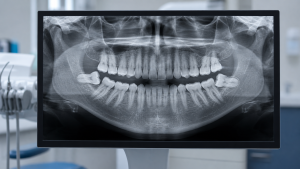
- Clinical Examination: A thorough review of the implant, surrounding gum, bite alignment, and radiographic imaging.
- Mechanical Debridement: Non-surgical cleaning using specialised instruments that avoid damaging the implant surface.
- Antimicrobial Therapy: Antiseptic mouth rinses (e.g., chlorhexidine) and, if necessary, targeted antibiotics based on severity and type of bacteria.
- Surgical Intervention: In cases involving bone loss, surgical flap procedures may be necessary to access, clean, and regenerate tissue.
- Guided Bone Regeneration (GBR): Where bone has been lost, procedures such as GBR may be considered to rebuild the supporting structure around the implant.
- Ongoing Maintenance: Once infection is under control, regular review appointments and cleaning are essential to reduce the risk of recurrence.
How Does the Severity of Infection Influence Treatment?
Severity directly determines the treatment pathway, as illustrated in the table below:
| Infection Severity | Recommended Treatment |
| Mild (Mucositis) | Non-surgical cleaning, antiseptic rinses |
| Moderate | Local antimicrobial therapy, decontamination protocol |
| Severe (Bone Loss Present) | Flap surgery, bone grafting, potential implant revision |
Each case is different and must be assessed on an individual basis. Some implants can be preserved through conservative management, while others may require more invasive treatment.
What Preventative Measures Can Reduce the Risk of Implant Infections?
Preventing implant infections relies on consistent oral hygiene habits and professional support.
Key preventative strategies:
- Brush twice daily using a soft-bristled toothbrush
- Use interdental brushes or implant-specific floss to clean around abutments
- Avoid smoking and excessive alcohol consumption
- Visit your dental professional for routine check-ups and professional cleaning
- Inform your dental team of any discomfort or changes around your implant
By following these guidelines, patients can significantly lower the risk of peri-implant infections and protect their investment in long-term oral health.
When Should You Seek Immediate Dental Care?
Infections can worsen rapidly. If you experience the following symptoms, it is important to consult your dental professional promptly:
- Swelling that spreads or worsens
- Persistent or throbbing pain
- Implant mobility
- Fever or general malaise
- Pus discharge or gum abscess formation
Early intervention can often prevent the need for surgical correction and reduce long-term damage.
Why Choose “My Dentist” for Ongoing Implant Care?
At My Dentist, we understand that dental implants are not just an investment in your smile but in your overall health and confidence. Our team is highly experienced in identifying and managing peri-implant complications using evidence-based, clinically proven methods. We prioritise patient education, transparency, and long-term success by developing personalised oral hygiene plans and offering comprehensive implant reviews. Whether you’re concerned about inflammation, struggling with maintenance, or simply want reassurance, “My Dentist” provides a calm, professional environment where your oral health is our top priority.
We are here to support you through every stage of your dental implant journey—from placement to protection and beyond.
Important FAQs
Q1: Can a dental implant infection go away on its own?
No. An infection around a dental implant typically requires professional treatment. Left untreated, it may worsen and lead to implant failure.
Q2: What does peri-implantitis feel like?
It may cause gum swelling, tenderness, bleeding, pus, or a bad taste. Some patients feel pressure or throbbing pain near the implant.
Q3: Is it possible to save an infected dental implant?
Yes, depending on the severity and timing. Early intervention through debridement or surgical treatment may preserve the implant.
Q4: How is peri-implantitis diagnosed?
Diagnosis is based on clinical examination, probing depth, bleeding on probing, radiographic evidence of bone loss, and symptom reporting.
Q5: How long does it take to treat an implant infection?
Treatment duration varies. Mild cases may resolve in a few weeks, while severe infections requiring surgery may involve a longer recovery.
Q6: How often should I get my implants checked?
Dental professionals generally recommend check-ups every 6–12 months, depending on individual risk and oral hygiene practices.
REFERENCES
- Australian Dental Association. “Peri-Implant Diseases: Prevention and Management”. https://www.ada.org.au
- Dental Board of Australia. “Guidelines for advertising a regulated health service”. https://www.dentalboard.gov.au
- Better Health Channel (Victoria State Government). “Dental implants”. https://www.betterhealth.vic.gov.au
Disclaimer
All dental procedures involve potential risks and benefits. The information provided in this blog is general in nature and should not be taken as medical advice. We recommend that you seek guidance from a suitably qualified health professional before making decisions about your oral health. Where appropriate, you may also wish to consider obtaining a second opinion.
Any images or videos featured are shared with the informed consent of our patients and are intended for educational purposes only. They are not a guarantee of results, as every patient is unique. Treatment outcomes — including recovery, potential complications, and effectiveness — can vary from person to person.