
If you have silver-coloured fillings, you may be wondering what they contain and whether they need to be removed. The answer depends on your dental health, the condition of each filling and your personal preferences. A filling’s appearance alone does not show whether it needs treatment.
Amalgam removal is a clinical decision, not a routine step for everyone. Understanding what the process involves, and what precautions may be used, can help you have a more informed conversation with your dentist.
What are amalgam fillings?
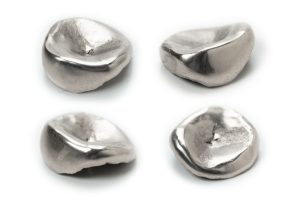
Dental amalgam is a filling material made from a mixture of metals, including silver, tin, copper and mercury. It has been used to repair teeth affected by decay. The word “silver” refers to its appearance, rather than meaning it is made only of silver.
Having an intact amalgam filling does not automatically mean it should be removed. Removal involves cutting or breaking up the filling, which can affect the tooth and may require further restoration. Your dentist can examine the filling and surrounding tooth to assess its condition.
If you are considering a mercury-free approach to future dental care, you can discuss alternative filling materials. The most suitable option depends on factors such as the size and position of the cavity, the amount of remaining tooth and your bite.
When might removal be considered?
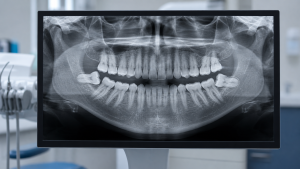
A dentist may recommend replacing a filling if it is cracked, loose, worn or associated with decay around or beneath it. Symptoms such as pain or sensitivity also need assessment, but they do not identify the cause on their own. An examination may include X-rays where clinically appropriate.
Some people ask about removal because they prefer not to have amalgam in their mouth. That preference can be discussed alongside the possible benefits and risks of treatment. The decision should consider the health of the tooth and whether removal is clinically appropriate.
Removing a filling can take away some healthy tooth structure, and the replacement may need repair or replacement in the future. In some cases, a larger restoration or a crown may be considered. Your dentist can explain the options for the specific tooth before you decide.
What is the SMART protocol?
The IAOMT SMART protocol describes precautions used by some dentists when removing amalgam fillings. These may include placing a rubber dam to isolate the tooth, using high-volume suction and providing an alternative oxygen source. The approach is intended to limit exposure to particles and vapour during removal.
Practices and equipment can differ. Before treatment, ask what precautions are planned, what each one does and whether they are suitable for you. A consultation can also cover your health history, the condition of the tooth and alternatives to removal.
These precautions do not make treatment risk-free, and they do not mean that every person with an amalgam filling needs it removed. Your dentist should explain the expected steps and any relevant limitations in a way you can understand.
What happens during and after removal?
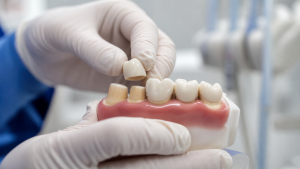
The dentist first assesses the tooth and discusses the proposed treatment and replacement material. If removal is appropriate, the area is usually numbed with local anaesthetic. The filling is then removed and the tooth is restored with a suitable material, either at the same appointment or as part of a staged plan.
You may notice temporary tenderness or sensitivity after dental work. Follow the aftercare instructions provided, and contact the clinic if symptoms worsen or you have concerns. If the tooth needs a temporary restoration, the dentist can explain how to care for it until the next visit.
Biocompatible and BPA-free filling materials may be available, but no single material suits every tooth. Ask about the material proposed, how it will be placed and whether it contains ingredients you prefer to avoid. Your dentist can discuss these details in relation to your needs.
Questions to ask at your consultation
Before deciding, ask whether the filling has a clinical problem or whether replacement is being considered for another reason. You can also ask what may happen if you leave it in place and how the decision was reached.
Find out what replacement options are suitable, how much tooth structure may need to be removed and whether the tooth could need a larger restoration. It is reasonable to ask about the benefits, limitations and possible complications of each option.
If you are seeking holistic or biological dentistry, explain what that means to you. For example, you may want to discuss mercury-free materials, the use of fluoride or fluoride-free options, and measures used during amalgam removal. Treatment suitability should be assessed individually.
The Takeaway
An amalgam filling does not need removal just because it is silver-coloured. A dental assessment can help determine whether it is damaged, whether the tooth needs treatment and which materials and precautions may be appropriate. For a consultation about mercury-free and biocompatible dental care, book with My Dentist Alderley.
Looking for a more natural approach to dental care? Book with My Dentist Alderley for holistic, biocompatible dentistry in Alderley.
Frequently Asked Questions
Do all amalgam fillings need to be removed?
No. An intact filling may not need replacement. A dentist can assess its condition and the health of the tooth, then discuss whether treatment is appropriate.
Is it safe to keep an amalgam filling?
The decision depends on your individual circumstances and the filling’s condition. Ask your dentist to explain the assessment and any concerns relevant to your tooth and health history.
What does the SMART protocol involve?
The IAOMT SMART protocol describes precautions such as a rubber dam, high-volume suction and an alternative oxygen source during amalgam removal. Ask your dentist which measures they use and why.
Can amalgam be replaced with a BPA-free filling?
BPA-free materials may be an option for some teeth. The right restoration depends on the tooth’s size, location and remaining structure, so suitability needs a clinical assessment.
Will amalgam removal damage my tooth?
Removal can involve taking away tooth structure, and the amount depends on the filling and tooth. Your dentist can discuss this risk and other options before treatment.
Can I choose fluoride-free dental care?
You can discuss fluoride preferences with your dental team. Fluoride use and alternatives should be considered in light of your oral health needs and the treatment being provided.
This article provides general information only and is not a substitute for an examination or personalised dental advice. My Dentist Alderley can assess your needs and discuss suitable options.